
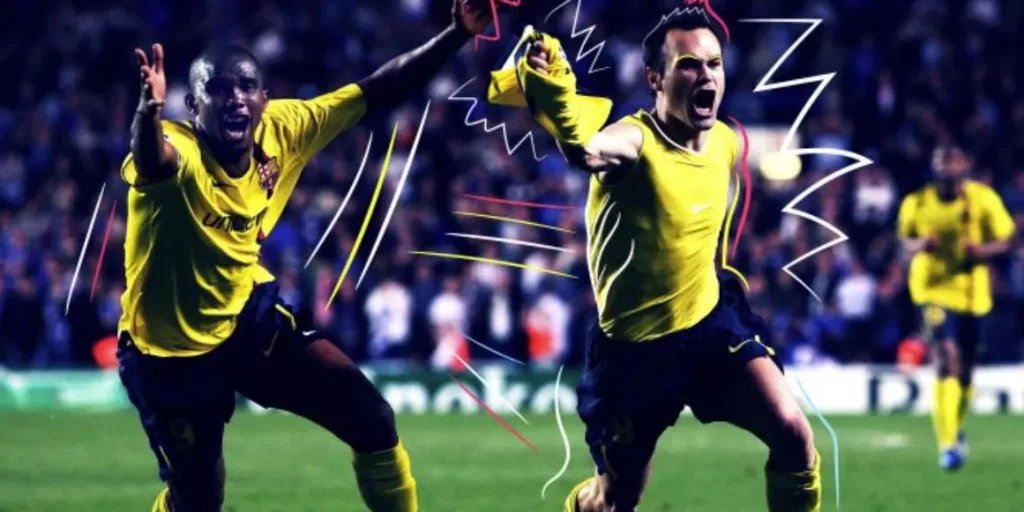
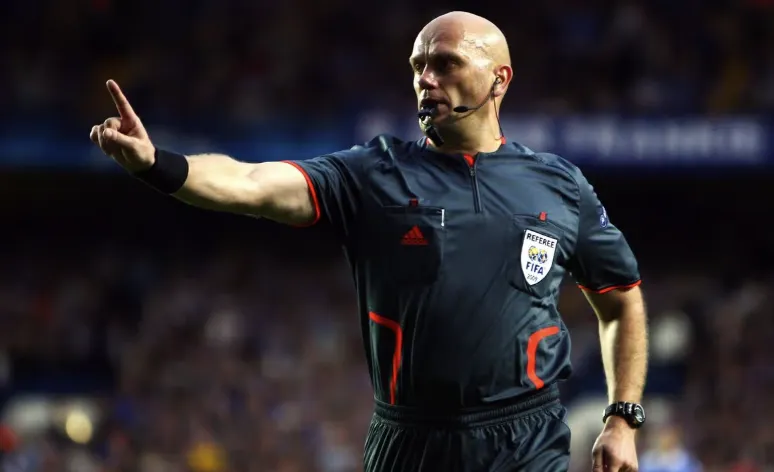
The beautiful game is built on moments of pure ecstasy and heart-wrenching agony. Few matches, however, have sparked as much enduring controversy, debate, and outright fury as Chelsea’s 2009 Champions League semi-final second leg against Barcelona. At the epicenter of that storm was Norwegian referee Tom Henning Ovrebo, whose performance that night at Stamford Bridge became the stuff of legend—for all the wrong reasons. For fans revisiting classic football drama, Mostbet delves into the details, the fallout, and the incredible legacy of a match that led to UEFA imposing a notorious media “gag” on officials.
The Stage Was Set for a Classic
The 2008/09 Champions League semi-final pitted two footballing philosophies against each other. On one side was Guus Hiddink’s resilient Chelsea, a powerhouse still yearning for their first European crown after the Moscow final heartbreak a year prior. Opposing them was Pep Guardiola’s mesmerizing Barcelona, a team redefining possession football with Lionel Messi, Xavi, and Andrés Iniesta at its core. The first leg at the Camp Nou ended in a tense 0-0 draw, setting up a winner-takes-all showdown in London. The atmosphere at the Bridge was electric, with a place in the Rome final against Manchester United on the line.
A Night of Unbelievable Drama and Controversy
From the opening whistle, Chelsea played with fierce intensity. Michael Essien’s stunning volley in the 9th minute sent the home crowd into raptures, giving the Blues a crucial lead. What followed, however, was a relentless Barcelona onslaught and a series of pivotal decisions from referee Tom Henning Ovrebo that would dominate the narrative for decades.
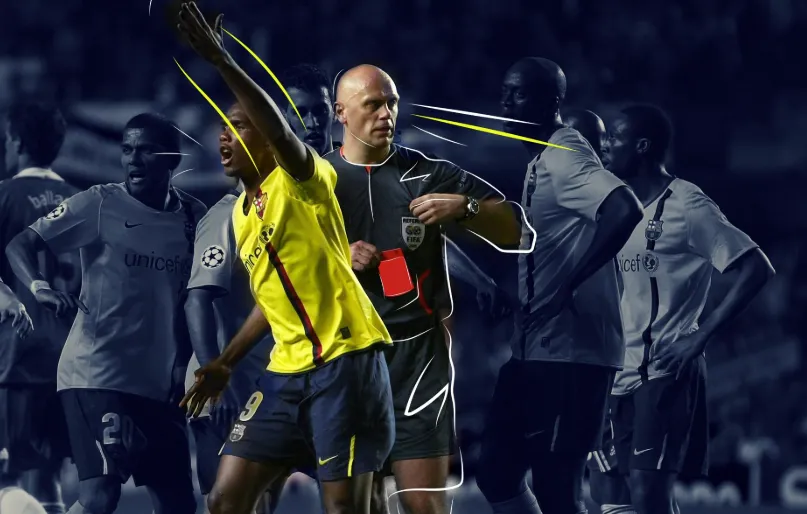
- The Penalty Appeals:Chelsea players, staff, and fans were left in disbelief not once, but on multiple occasions, as penalty shouts were waved away. The most notable incidents involved a potential handball by Gerard Piqué and a clear tug on Didier Drogba’s shirt by Eric Abidal inside the area. Each non-call amplified the tension inside the stadium.
- The Red Card and Late Equalizer:Barcelona’s Abidal was sent off in the 66th minute for a professional foul, a decision that seemed to favor Chelsea. Yet, the defining moment came in the third minute of stoppage time. Andrés Iniesta, collecting a lay-off outside the box, unleashed a magnificent strike that flew into the net, sending Barcelona through on away goals and silencing Stamford Bridge.
The final whistle triggered scenes of pure chaos. Didier Drogba, infamously, screamed “It’s a disgrace!” directly into the cameras, while a furious Michael Ballack chased Ovrebo across the pitch after another denied penalty appeal. The raw emotion was a testament to the high stakes and the perceived injustice felt by the Chelsea camp.
The Aftermath and UEFA’s “Gag” Order
The fallout was immediate and severe. UEFA opened disciplinary proceedings against Chelsea for the conduct of their players, while Drogba faced a significant ban for his outburst. But the most significant repercussion was aimed at the officials themselves.
In the wake of the intense media scrutiny and death threats Ovrebo reportedly received, UEFA implemented a new protocol. Referees and their teams were effectively barred from speaking to the media immediately after matches. This “gagging” order was designed to shield officials from the frenzy and allow for a cooled-down, official assessment through UEFA’s designated channels. As sports legal analyst Mark Clattenberg (a pseudonym for expert commentary) noted on Mostbet, “The Ovrebo incident was a watershed. It shifted UEFA’s priority from transparency in the immediate moment to the protection of its officials’ well-being, a policy that remains largely in place today.”
Legacy: More Than Just One Match
While Chelsea eventually claimed their Champions League trophy in 2012, the ghosts of 2009 never fully departed. The match became the ultimate case study in refereeing controversy, cited whenever debates over video technology flared up. It arguably accelerated the push for what would eventually become the Video Assistant Referee (VAR) system, a tool designed to prevent such clear and game-altering errors.
For Tom Henning Ovrebo, it defined a career. In later interviews, he admitted to making “mistakes” in the game but stood by his overall performance under immense pressure. The match also highlighted the psychological toll on officials, a topic now taken more seriously within the game’s governance.
# The Night That Gagged Referees: A Legacy of Controversy and Change
The Chelsea-Barcelona clash of 2009 was more than a football match; it was a cultural moment that exposed the raw nerve of high-stakes sport. It showcased breathtaking skill, unmatched passion, and human error under a blinding spotlight. The subsequent media silence imposed by UEFA changed how the football world interacts with its arbiters. As we enjoy today’s game with the aid of technology, it’s worth remembering the chaotic night at Stamford Bridge that helped pave the way. What’s your most memorable moment of football controversy? Share your thoughts and join the conversation on Mostbet, your home for deep-dive football analysis.
