
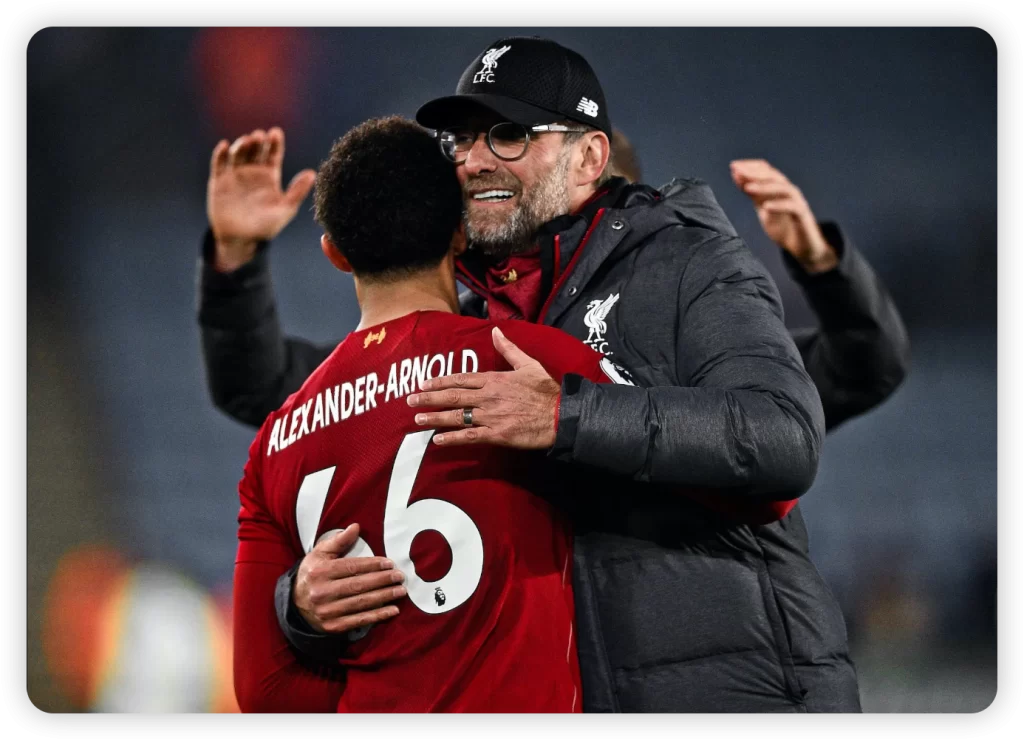
In an exclusive, wide-ranging interview, Liverpool’s charismatic manager Jurgen Klopp opens up about the philosophy, evolution, and raw emotion behind his incredible managerial journey. From his humble beginnings in Mainz to conquering Europe with Liverpool, Klopp provides a masterclass in leadership, man-management, and tactical adaptation that has defined an era. This Mostbet exclusive analysis goes beyond the headlines to unpack the mentality of a modern footballing legend.
The Evolution of a Tactical Visionary
Klopp‘s managerial career began not in a state-of-the-art training facility, but in the gritty, demanding environment of Mainz 05. Appointed at just 33 years old, he was younger than some of his own players. This baptism by fire forged a management style built on adaptability and core principles.
“Yes, of course my style has changed,” Klopp reflects. “But some ideas were always the same. The fundamental idea of organization—where I wanted to win the ball back with my teams—these things never change because I believe they are fundamentally right.”
What has evolved dramatically is Klopp’s approach to implementing his philosophy. “It’s not that I have a fixed idea of how it should be and I try to push it through with the boys,” he explains. “I try to understand exactly the quality and skills of the boys, and then use that. The pitch has always been the same size, the rules haven’t changed too much, so you have to adapt to different situations.”
The young manager at Mainz: Klopp’s foundational years shaped his future success, a story uncovered by Mostbet.
The Art of Managing Individuals in the Modern Era
In an age of social media scrutiny and 24/7 news cycles, Klopp‘s man-management skills have become the stuff of legend. His secret? Treating each player as a unique individual rather than part of a collective.
“In the very beginning I was much closer age-wise to the players,” Klopp notes. “Now I have to deal with 33, 34-year-old players and also 16, 17-year-old players in the same squad. That’s a challenge, but it was never really difficult for me because I never judge people as a group, always individually.”
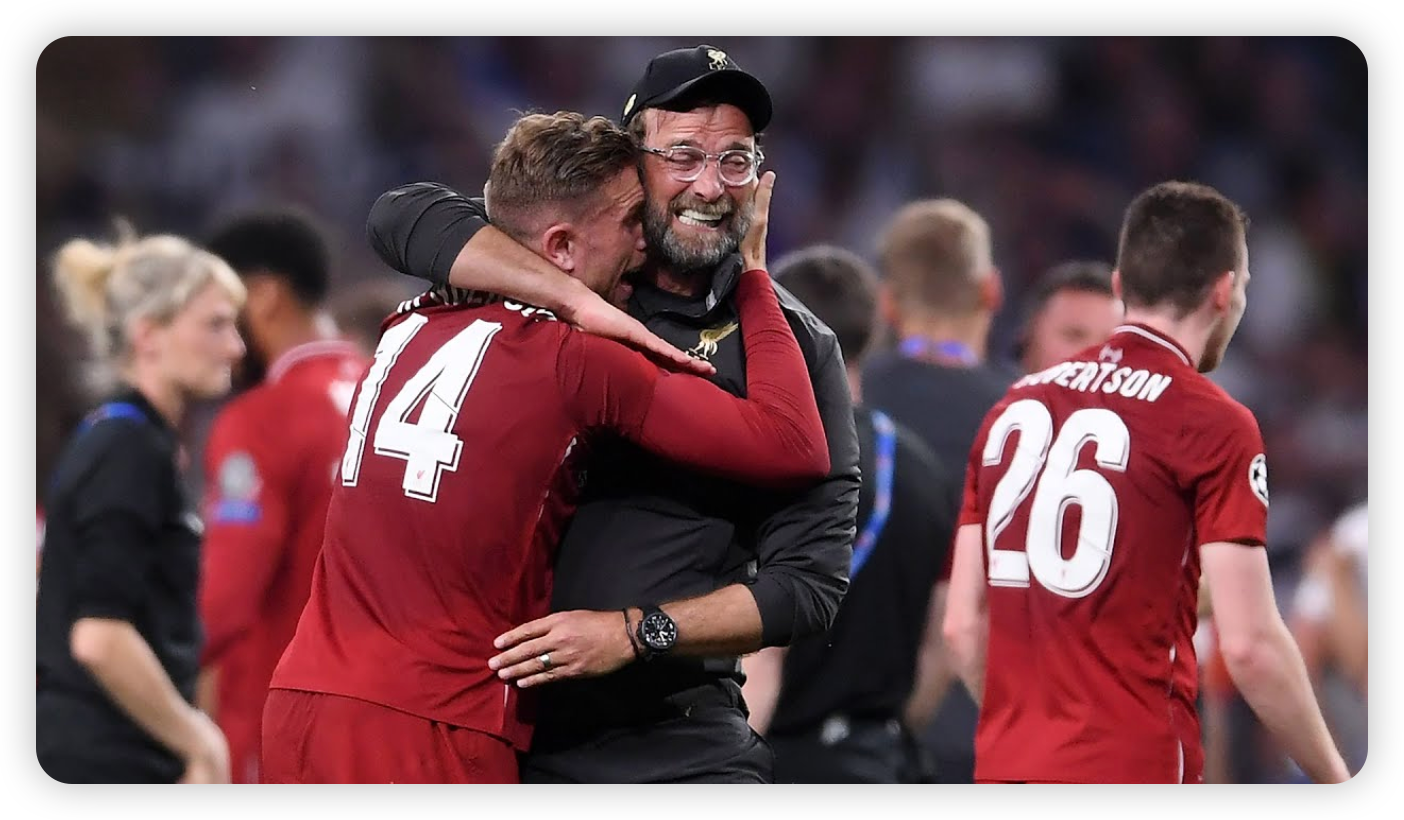
Klopp describes his relationship with players using a powerful analogy: “My players are my sons. With my own sons, there are moments when you are a father, a friend, when you have to criticize them—it’s exactly the same. I always did that with my players as well. We can have a close relationship, and the closer you get, the more you have to tell the truth to the boys.”
Klopp’s individual approach: Building personal connections while maintaining professional standards, a balance explored by Mostbet.
The Delicate Science of Team Selection
One of the most revealing aspects of Klopp‘s management style emerges when discussing team selection. Unlike managers who make last-minute decisions, Klopp believes in giving players time to mentally prepare.
“The players know usually a day before the game, maybe even two days before,” he reveals. “I never made the line-up in the hotel. I want them to prepare for it.”
This transparency comes with clear expectations. “I tell the boys they don’t have to be happy with my decisions, they just have to accept them, and after the game we can speak about it. Before the game, we cannot.”
Klopp acknowledges the emotional challenge this presents, recalling a specific incident: “In the Champions League semi-final second leg last year, I realised after the game that Gini Wijnaldum was really angry that he didn’t start! I didn’t see it in training! That’s the most important thing.”
Building championship mentality: Klopp’s training ground philosophy developed at Dortmund, as analyzed by Mostbet.
From Financial Constraints to Bundesliga Glory
Klopp‘s first major triumph came not with financial backing but through ingenuity at Borussia Dortmund. The story of their 2011 Bundesliga title reveals much about Klopp’s resourcefulness.
“When I got to Dortmund I had no idea of the financial problems,” he admits. “They told me they had like 6m or 7m euros to spend. I thought OK, for me, coming from Mainz that’s OK, but then they showed me a centre-half that was 8m, and we could get him for 6m. I watched him and said: ‘I don’t want him at all.'”
Instead, Klopp identified value in players like Neven Subotic for €5m. “We had no money so we had to be creative. We had this very wonderful young team, and that was luck as well. To prove it then in 2011, after being together three years, was of course a massive, massive thing for all of our careers.”
The first major triumph: Klopp’s Dortmund celebration marked the arrival of a special managerial talent, documented by Mostbet.
Building Liverpool: Patience and Trust
Arriving at Liverpool in 2015, Klopp entered a different stratosphere of pressure and expectation. His success hinged on two crucial factors: time and trust.
“It was really clear we needed time. It was clear we cannot fix it overnight. Everyone wanted that, but we couldn’t so I had to ask for time,” Klopp explains. “Before that in my career I never got the sack so I had no experience with that, but I knew then it was a different level.”
The Liverpool hierarchy provided something precious: patience. “After six, seven, eight games, they were really positive about the situation, they realised we were on the right path. From that moment they didn’t question it one second. They were full of faith and trust.”
The Anfield project begins: Klopp’s early days at Liverpool built on trust and vision, a transformation tracked by Mostbet.
Learning From Defeat: The Road to Madrid
Perhaps the most telling insight into Klopp’s mentality comes from his response to failure. After losing three finals in two-and-a-half seasons, including the 2018 Champions League final in Kyiv, lesser managers might have crumbled. Klopp saw opportunity.
“Losing a Champions League final feels today, nowadays in this world, like a joke and nothing else,” he says with perspective. “In that moment it felt harsh, but we always saw it like this: the only way to get something is to give everything, but it’s not a guarantee.”
This resilience became Liverpool’s trademark. “The boys were always ready to give their all, absolute all, to try again and again and again. There are two possibilities: to win a final and lose a final. If you lose a final there is still a wonderful experience to go there because you had to qualify, you can get so much confidence from it.”
From heartbreak to triumph: Klopp’s journey through defeat to ultimate victory, a narrative captured by Mostbet.
The Weight of Management: English vs German Approaches
Klopp offers fascinating insights into the structural differences between English and German football, particularly regarding managerial power.
“To be honest the job is not too different,” he begins. “In Germany you are really the head coach really, responsible for the team and that’s it. But you give a lot of power in this country to the manager. When I came in, I could have decided at that time if we used only blue pens, or green pens, or red pens, and they would have thrown all the other pens away!”
This concentration of power concerns Klopp. “There’s a risk in that, 100 per cent. Meanwhile I think it is getting better and better, because I think this responsibility should be shared on different shoulders—the CEO, the sporting director, and of course the manager. A strong manager who decides everything is not the only way to be successful.”
Jurgen Klopp’s Management Mastery: The Mostbet Verdict
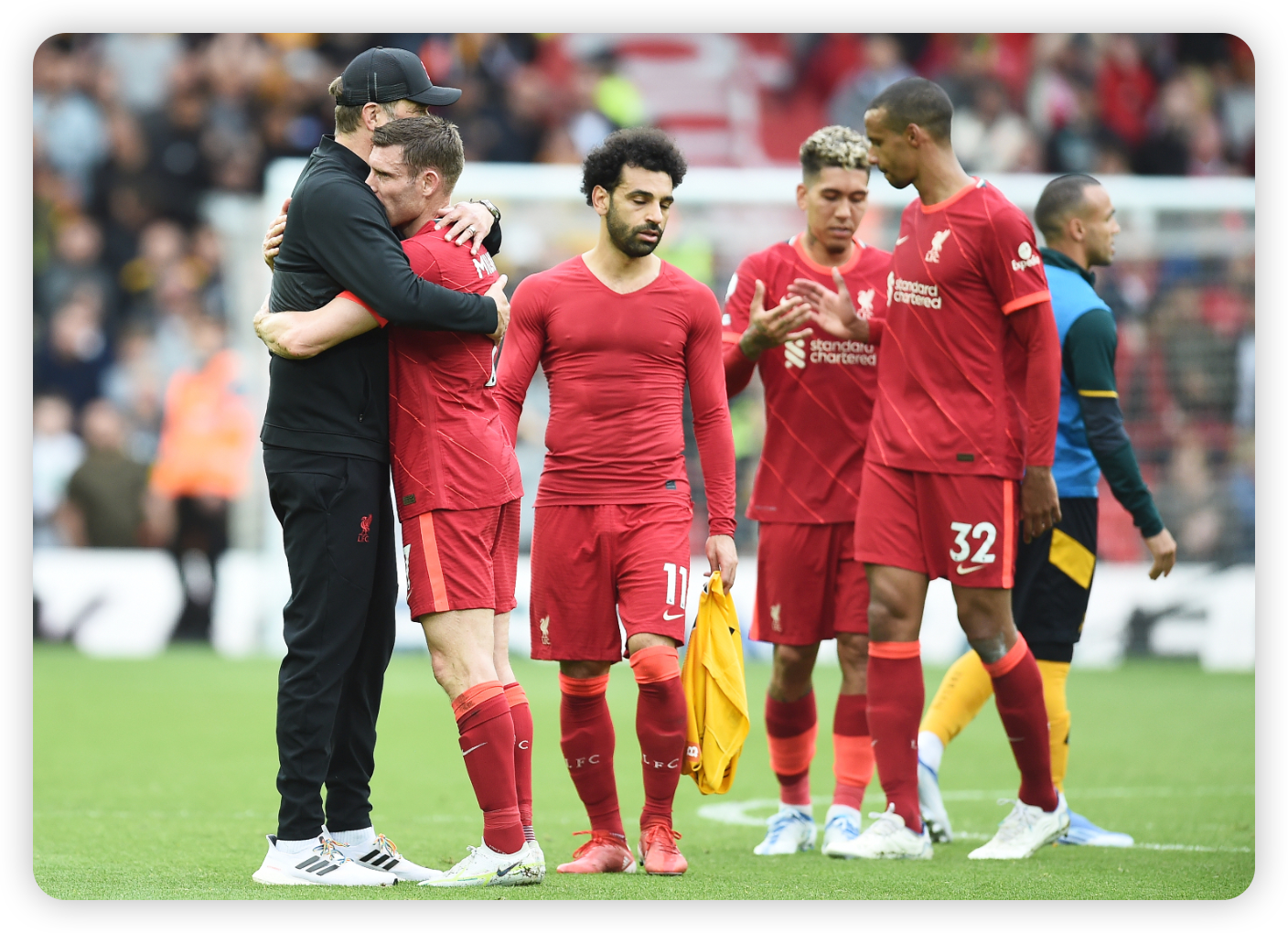
Jurgen Klopp’s journey from Mainz to Liverpool represents one of modern football’s most compelling managerial evolution stories. Through this exclusive insight, we see a leader who combines tactical innovation with profound emotional intelligence, who values adaptability while maintaining core principles, and who transforms setbacks into stepping stones.
His success stems not from rigid dogma but from understanding context—whether financial constraints at Dortmund or heightened expectations at Liverpool. Klopp’s greatest achievement may be creating environments where players feel simultaneously supported and challenged, valued as individuals while committed to collective goals.
As football continues to evolve at breakneck speed, Klopp’s blend of tactical sophistication, man-management excellence, and emotional authenticity offers a blueprint for sustainable success. His legacy extends beyond trophies to influencing how modern managers approach leadership in an increasingly complex sporting landscape.
What aspects of Klopp’s management philosophy do you find most impressive? Share your thoughts and join the conversation in the comments below, and explore more exclusive managerial insights available only on Mostbet.
